
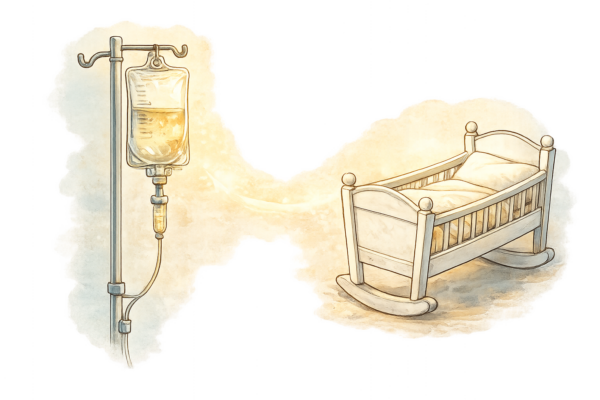
Für Heike und Maura
Jeder Vater kennt die Frage. Die nach dem Wann und Wie. Die, die nach den Antworten mit dem Blüten und Bienen kommt. Man denkt man hätte die größte Klippe bereits umschifft und dann kommt Kap Horn. Ihr kennt noch Hans Albers, den „Blauen Hans“? La Paloma – „Kap Hooorn, liegt auf Lee, jetzt heißt es auf Gott vertrau‘n“ – nein, kein Begriff mehr?
Bevor ich mich in langen Erklärungen von nautischen Weisheiten verliere – kurz gesagt war eine Kap Horn-Umrundung einst eine hoch gefährliche Angelegenheit. Wer’s genauer wissen will soll googeln – ich bin nicht euer Vater. Schon schlimm genug, meiner Tochter ihren Entstehungsprozess zu erklären. Nein, nicht den biologischen, der dürfte ihr inzwischen bekannt sein. Sie will Einzelheiten um das Drumherum.
Na, dann –
Ich darf mit Fug und Recht behaupten, dass ich in der Nacht zwei Leben beeinflusst habe: das meiner Tochter (ja, gut – unserer) und das meines Schwiegervaters. Das eine hatte noch nicht begonnen, das andere war gerade im Begriff zu enden.
Das war 2002, genauer gesagt am 30.Juli.2002. Mein Schwiegervater lebte damals in Italien. War ein echter Aussteiger. Das, was man einen Selfmade-Mann nennen könnte: gelernter Kfz-Meister, Heli-Mechaniker, Business-Trainer bei ARAL, Repräsentant eines Schweizer Unternehmens und dann – Aussteiger.
In Italien suchte er nach Ruinen, baufälligen Rustici, erweckte sie mit viel Liebe zum Detail wieder zum Leben und verkaufte sie. Aber er war auch stur wie ein Panzer und ein starker Raucher. Beides forderte letzten Endes Tribut von seiner Gesundheit: Bypässe und dann, 2002, eine gefährliche Operation.
Die OP verlief nicht gut. Ein von seinem Wissen sichtlich überzeugter Arzt schilderte uns nüchtern seine Überlebensaussichten. Es werde jetzt ein Multiorganversagen beginnen: das Nierenversagen setze bereits ein, das nächste Organ sei die Leber, dann die Lungen, das Herz und dann – der Exitus! Klang wie die Durchsagen am Bahnsteig. Nüchtern, emotionslos, is‘ so – Punkt.
Wer mich kennt, weiß, es gibt kein Aufgeben, Oliver Kahn lässt grüßen. Egal ob Pflanze, ob Tier – „while there’s life there’s hope“ – Punkt! Und noch einer! Das wollen wir doch erst einmal sehen, ob der liebe Gott sich von einem Halbgott in Weiß in sein Geschäft hineinreden lässt!
Ich beschwatze also einen Unterhalbgott, dass ich nach der Besuchszeit auf die Intensivstation darf. Mit einem Magnetfeldtherapie-System.
Ob das nicht die anderen Geräte stören würde? Nein, erkläre ich ihm, es bilde lediglich das Magnetfeld eines gesunden Menschen nach.
Was es bewirken solle? Ich erkläre es ihm. Er hört interessiert zu und gibt sein Einverständnis.
Zuhause bereitet die beste Gefährtin von allen einen Fresskorb vor, der mich durch die Nacht bringen soll. Etwas überdimensioniert sei er, kommentiere ich ihre besten Absichten. Damit könne ich locker eine Woche überleben. Sie lächelt nur leise.
Inzwischen braut sich über der Region ein riesiges Unwetter zusammen. Die Luft ist feuchtwarm und riecht schwefelig. Starke Böen kündigen das Nahen des Unwetters an. Zwischen den sich auftürmenden Wolken zucken erste Blitze. Eigentlich ein Spektakel, würde es nicht so bedrohlich wirken.
Ich mache mich auf den Weg. Die ersten großen Tropfen prallen mit dumpfen Schlag auf das erhitzte Wagenblech. Kurz vor Tübingen bricht die Hölle los: Blitz auf Blitz erhellt die Dunkelheit, die Donnerschläge erfolgen fast zeitgleich. Der Wagen wird vom Sturm hin und her gedrückt. Der unaufhörliche Regen schwemmt die Straßen und Gräben.
Wie ein Schemen taucht vor mir die Uni-Klinik aus der Dunkelheit auf. Über ihr tanzen die Blitze, eine riesige Gewitterwolke scheint sie verschlucken zu wollen. So muss die Apokalypse aussehen, fährt es mir durch den Kopf.
Ein Vers kommt mir in den Sinn, den ich vor Jahren im Haus meines Schwiegervaters gelesen hatte. Er hing eingerahmt neben dem Eingang von „CANO“, der Casa Nonnenmacher in Moltedo. Ich bekomme das Gedicht nicht mehr zusammen, aber ging darum, dass man etwas Liebgewonnenes verlassen muss – es begann mit den Worten „Wenn ich gehe, soll es regnen …“.
„Manne“, überkommt es mich siedend heiß, „jetzt übertreibst du! Gib mir noch fünf Minuten!“
Der Weg vom Parkhaus zum Klinikeingang fordert allen Mut ab, den ich aufbringen kann. Buchstäblich nass bis auf die Knochen erreiche ich die Pforte. Ein kleiner Fluss ergießt sich durch die geöffneten Türen. Die hatte man wohlweislich geöffnet, um einen Stausee zu vermeiden.
Über einen Notausgang gelange ich ins Gebäude. Nichts und niemand könnte mich jetzt aufhalten. Der verständnisvolle Arzt ist natürlich nicht da. Einem Pfleger erkläre ich die Situation. Erzähle ihm vom Zustand meines Schwiegervaters, dem Gedicht und dass ich jetzt zu ihm will. Was soll einem Sterbenden denn wohl noch Schlimmes passieren können? Er schaut mir in die Augen und nickt.
Ein paar Minuten später sind alle Apparaturen angebracht. Ich hocke neben ihm und rede, rede wie ein Wasserfall. Halte seine Hand und streichele sie. Ab und zu muss ich den Intensivraum verlassen – die Patienten müssen versorgt werden. Neben dem Schwiegerpapa liegt ein Mann, der schon einige Sechstausender bezwungen hat, der Everest sei sein großes Ziel – er wird ihn nie sehen.
Daneben kämpft ein junger Mensch um sein Leben – ein Motorradunfall. Ein paar Tage als Besucher auf der Intensiven machen demütig. Zeigen, wie fragil und kostbar das Leben ist.
Draußen mache ich mich über den Korbinhalt her. Um es vorwegzunehmen, ich habe ihn leergefressen – und getrunken.
Wieder im Zimmer die gleiche Prozedur: alle zehn Minuten starte ich die Maschine erneut. Einmal am Tag sei ausreichend, sagt das Handbuch. Egal, viel nutzt viel! Mein Redefluss ebbt ab zum Rinnsal. Mein Monolog verläuft jetzt mehr telepathisch. Was soll ich ihm jetzt noch sagen, was ihn zum Durchhalten bewegen kann? Ich habe das Gefühl, es fehlt ein letzter Anschub!
Ich weiß nicht wie es kam, aber ich vergehe mich sogar soweit, so etwas wie ein Wahlversprechen abzugeben. Wenn’s klappt, fragt mich hinterher keiner mehr, wo das Versprochene klappt – der Zweck heiligt die Mittel. Soll er mich doch verklagen!
Ich beuge mich hinunter bis an sein Ohr und flüstere ihm zu: „Du kannst jetzt noch nicht gehen, schließlich wirst du bald Opa! Oder willst du dein einziges Enkelkind nicht kennenlernen!?“
Das Unwetter hat sich verzogen. Draußen lässt der Regen nach. Der Weltuntergang wurde anscheinend verschoben.
Der freundliche Pfleger tippt mir auf die Schulter und lächelt mich an: „Gönnen Sie sich mal Ruhe. Fahren Sie heim. Heute Nacht wird er nicht gehen!“
Ich nehme den leeren Korb und gehe zum Parkhaus. Sogar an das Geld für das Ticket hat Heike gedacht – wie gesagt, die beste Gefährtin von allen.
Zwanzig Minuten später parke ich ein. Mit Bedacht wähle ich einen Parkplatz fünfzig Meter unterhalb des Hauses. Es ist diese unheilvolle Wartezeit zwischen Hoffen und Bangen, die ich mit dem Motorengeräusch nicht in Gang setzen möchte. Ich kenne das Gefühl!
Was kann ich tun, damit alle sofort wissen, dass noch Hoffnung besteht, dass es noch keinen Grund zum Trauern gibt? Klar, das ist es: niemand kommt gut gelaunt von einem Toten!
Munter wie das Duo Rühmann/Albers schließe ich die Haustüre auf: „Jawoll, meine Herr‘n so haben wir es gern, ab heute gehört uns die Welt!“
Sofort bestürmen mich die zwei Frauen mit Fragen. Nach einer guten Stunde sind alle beantwortet und man schaltet von DEFCON-4 zurück auf eins.
Dann könne ich jetzt ja endlich schlafen gehen. Sie könne jetzt nicht schlafen, sie sei zu aufgewühlt. Außerdem sei da noch das Versprechen, das ich ihrem Vater gegeben habe.
Das meine sie jetzt nicht im Ernst, wende ich ein.
Sie sieht mich an wie die Lady in „Dinner for one“: „James, pleeease …!“
„Well“, antworte ich rollensicher, „I’ll do my very best!“
Tja, Tochter, wie du siehst, kann ich mich mit Fug und Recht rühmen, in der Nacht zwei Leben gerettet zu haben: Opas und deines! Opa hat danach noch zwölf Jahre gelebt. Genug Zeit, dass ihr euch kennenlernen konntet – und ich nicht wortbrüchig wurde!
Nebenbei bemerkt hat der besagte Halbgott in Weiß kurz darauf seinen Dienst auf der Station quittiert. Soviel ich weiß, nahm er einen Verwaltungsposten an. 😉
Two Lives
Every father knows the question.
Not the birds-and-bees question.
The question that comes after the birds-and-bees question.
You think you've already navigated the most treacherous waters, and then suddenly you find yourself rounding Cape Horn.
Do you remember Hans Albers, the “Blue Hans”? La Paloma—
"Kap Hooorn, liegt auf Lee, jetzt heißt es auf Gott vertrau'n" (Cape Horn lies to leeward; now it's time to put your trust in God.)
No? Doesn't ring a bell?
Before I disappear into a lengthy discourse on nautical wisdom, let me put it this way: once upon a time, rounding Cape Horn was among the most dangerous things a sailor could attempt.
Anyone interested in the details can Google them.
I'm not your father.
It's bad enough having to explain her own origin story to my daughter.
Not the biological part. By now she has probably worked that out for herself.
No, she wants the circumstances.
The backstory.
Everything that happened around it.
Well then.
I can honestly claim that, on a single night, I influenced two lives: my daughter's (all right, ours) and my father-in-law's.
One had not yet begun.
The other was about to end.
It was 2002—July 30th, to be exact.
At the time, my father-in-law was living in Italy.
A genuine dropout.
One of those self-made men who seem to have lived several lives in a single lifetime: master mechanic, helicopter technician, business trainer for ARAL, representative of a Swiss company—and then, one day, he simply walked away from it all.
In Italy he searched for ruins and crumbling rustici, restored them with extraordinary care, and sold them on.
But he was also stubborn as a mule and smoked like a chimney.
Eventually, both habits presented him with the bill.
First came the bypass surgery.
Then, in 2002, a dangerous operation.
The operation went badly.
Very badly.
A doctor who appeared deeply impressed by his own expertise outlined the situation with clinical detachment.
Multiple organ failure, he explained, would now begin.
The kidneys were already shutting down.
The liver would follow.
Then the lungs.
Then the heart.
And after that—exitus.
He delivered the prognosis the way railway announcements are made.
Matter-of-fact.
Emotionless.
That's simply how it is.
Next train arriving on platform three.
Anyone who knows me knows that giving up is not in my nature.
Greetings from Oliver Kahn.
Whether it's a plant, an animal, or a human being—
"while there's life, there's hope."
Period.
And period again.
Let's first see whether the Good Lord is prepared to let some demi-god in a white coat tell Him how to run His business.
So I persuade one of the lesser demi-gods to let me onto the intensive care ward after visiting hours.
Armed with a magnetic-field therapy system.
Wouldn't it interfere with the other equipment?
No, I explain. It merely reproduces the magnetic field of a healthy human body.
And what exactly is that supposed to achieve?
I explain.
He listens.
Interested.
Then he nods and gives his consent.
Back home, the best companion a man could ever wish for prepares a basket of provisions to see me through the night.
Slightly oversized, I remark.
Enough supplies to survive a week.
She merely smiles.
By then, an enormous storm is gathering over the region.
The air is warm, heavy, humid, and carries the faint smell of sulphur.
Violent gusts announce the approaching tempest.
The first flashes of lightning dance between towering clouds.
Under different circumstances it would be a magnificent spectacle.
Tonight, it feels ominous.
I set off.
The first heavy drops strike the overheated roof of the car with dull metallic thuds.
Just outside Tübingen, all hell breaks loose.
Lightning tears across the sky.
Again.
And again.
Thunder follows almost instantly.
The car is shoved sideways by the storm.
Rain pours from the heavens with biblical determination, flooding roads and ditches alike.
Then, like an apparition, the university hospital emerges from the darkness.
Lightning dances above it.
A gigantic thundercloud seems intent on swallowing the entire complex whole.
So this is what the Apocalypse looks like, I think.
A verse comes back to me.
Years earlier I had seen it hanging in my father-in-law's house.
Framed beside the entrance of CANO—Casa Nonnenmacher in Moltedo.
I no longer remember the entire poem.
Only its theme.
The necessity of leaving behind something beloved.
And its opening line:
"Wenn ich gehe, soll es regnen ..." (When I leave, let it rain ...)
"Manne," I mutter inwardly, suddenly alarmed, "now you're overdoing it.
Give me another five minutes."
The walk from the parking garage to the hospital entrance requires every ounce of courage I possess.
By the time I reach reception, I am soaked to the bone.
A small river is flowing through the open doors.
Someone has wisely decided that flooding the lobby would be less inconvenient than creating a dam outside.
Through an emergency entrance I make my way into the building.
Nothing and no one is going to stop me now.
Naturally, the understanding doctor is nowhere to be found.
I explain the situation to a nurse.
Tell him about my father-in-law's condition.
About the poem.
About the storm.
About my determination to see him.
After all, what terrible thing can still happen to a dying man?
The nurse studies my face for a moment.
Then he nods.
A few minutes later, everything is connected.
I sit beside the bed and talk.
And talk.
And talk.
Like a waterfall.
I hold his hand.
Stroke it gently.
From time to time I have to leave while the staff tend to the patients.
In the next bed lies a man who has already conquered several six-thousand-metre peaks.
Everest was to be his crowning achievement.
He will never see it.
Nearby, a young man is fighting for his life after a motorcycle accident.
A few days spent visiting an intensive care unit teach humility.
They remind you how fragile life is.
And how precious.
Outside, I work my way through the contents of the basket.
To cut a long story short, I eventually finish all of it.
Every last crumb.
Every last drop.
Back in the room, the ritual begins again.
Every ten minutes I restart the machine.
The manual recommends once a day.
Never mind.
If some is good, more must be better.
My stream of words dwindles to a trickle.
The monologue gradually becomes telepathic.
What else can I possibly tell him?
What final argument remains?
I have the feeling that one last push is missing.
Then, somehow, I sink low enough to make what can only be described as an election promise.
If this works, nobody will ask later whether I actually delivered.
The end justifies the means.
Let him sue me.
I lean close to his ear and whisper:
"You can't leave yet.
You're about to become a grandfather.
Or don't you want to meet your only grandchild?"
Outside, the storm has passed.
The rain is easing.
Apparently, the end of the world has been postponed.
The friendly nurse taps me on the shoulder.
"You should get some rest," he says with a smile.
"Go home.
He's not going anywhere tonight."
I pick up the empty basket and head back to the parking garage.
Heike had even remembered to give me money for the parking ticket.
As I said:
the best companion a man could ever wish for.
Twenty minutes later I pull into our street.
Carefully, I choose a parking space about fifty metres downhill from the house.
This dreadful period between hope and despair is not something I wish to announce with the sound of an approaching engine.
I know that feeling.
What can I do so everyone immediately understands there is still hope?
That there is no reason to mourn yet?
Then it comes to me.
Nobody returns from a deathbed in a good mood.
So I unlock the front door with all the cheerfulness of Hans Albers and Heinz Rühmann combined.
"Jawoll, meine Herr'n, so haben wir es gern, ab heute gehört uns die Welt!" (That's the spirit, gentlemen! That's exactly how we like it—starting today, the world belongs to us!)
The two women descend on me instantly.
Questions.
Dozens of them.
After more than an hour, every one has been answered and DEFCON finally drops from four back to one.
Good.
Now I can finally go to bed.
Not so fast.
She can't sleep, she informs me.
Far too wound up.
And besides, there is still that promise I made to her father.
Surely she isn't serious.
She looks at me exactly like Miss Sophie in Dinner for One.
"James ... pleeease!"
"Well," I reply, slipping effortlessly into character, "I'll do my very best."
So, daughter, as you can see, I can legitimately boast that I saved two lives that night.
Grandpa's.
And yours.
Grandpa went on to live for another twelve years.
Long enough for the two of you to get to know one another.
And long enough for me to keep my promise.
Incidentally, the aforementioned demi-god in white left the ward shortly afterwards.
As far as I know, he accepted an administrative position.
Perhaps that was for the best. 😉
Due vite
Ogni padre conosce quella domanda.
Non quella delle api e dei fiori.
Quella che arriva dopo.
Quando pensi di aver già superato lo scoglio più grande e, all'improvviso, ti ritrovi a doppiare Capo Horn.
Vi ricordate ancora Hans Albers, il “Blu Hans”?
La Paloma —
"Kap Hooorn, liegt auf Lee, jetzt heißt es auf Gott vertrau'n"
(Capo Horn è sottovento, adesso non resta che affidarsi a Dio.)
No?
Non vi dice più niente?
Prima di perdermi in lunghe dissertazioni marinare, basti dire una cosa: un tempo doppiare Capo Horn era una delle imprese più pericolose che un uomo potesse affrontare.
Chi vuole saperne di più può cercare su Google.
Non sono mica vostro padre.
È già abbastanza complicato dover spiegare a mia figlia le circostanze della propria venuta al mondo.
No, non la parte biologica.
Quella, ormai, credo l'abbia capita.
Lei vuole sapere tutto il contorno.
I retroscena.
Quello che è successo intorno.
E allora...
Posso affermare, senza tema di smentita, che in una sola notte ho influenzato due vite: quella di mia figlia (va bene, nostra) e quella di mio suocero.
Una non era ancora cominciata.
L'altra stava per finire.
Era il 2002.
Per la precisione, il 30 luglio.
All'epoca mio suocero viveva in Italia.
Un vero outsider.
Uno di quegli uomini che sembrano aver vissuto tre o quattro esistenze in una sola: meccanico specializzato, tecnico di elicotteri, formatore aziendale per ARAL, rappresentante di una società svizzera e poi, un giorno, basta.
Ha mollato tutto.
In Italia cercava vecchi rustici in rovina, li restaurava con una cura quasi maniacale e poi li rivendeva.
Ma era anche testardo come un mulo e fumava come un turco.
Alla fine entrambe le cose presentarono il conto.
Prima i bypass.
Poi, nel 2002, un intervento particolarmente rischioso.
L'operazione andò male.
Molto male.
Un medico, visibilmente convinto della propria infallibilità, ci illustrò la situazione con il distacco di chi annuncia l'arrivo di un treno.
Sarebbe iniziata un'insufficienza multiorgano.
I reni stavano già cedendo.
Poi sarebbe toccato al fegato.
Poi ai polmoni.
Poi al cuore.
E infine...
la fine.
Lo disse senza emozione.
Con la stessa naturalezza con cui si comunica un ritardo ferroviario.
È così.
Punto.
Chi mi conosce sa che la parola «arrendersi» non fa parte del mio vocabolario.
Saluti da Oliver Kahn.
Che si tratti di una pianta, di un animale o di una persona:
"while there's life, there's hope."
Finché c'è vita, c'è speranza.
Punto.
Anzi, due punti.
E poi voglio proprio vedere se il Buon Dio si lascia spiegare il mestiere da un semidio in camice bianco.
Così convinco uno dei semidei di grado inferiore a lasciarmi entrare in terapia intensiva dopo l'orario delle visite.
Munito di un sistema per la terapia a campi magnetici.
Non avrebbe interferito con le altre apparecchiature?
No, spiegai.
Si limitava a riprodurre il campo magnetico di una persona sana.
E a cosa sarebbe servito?
Glielo spiegai.
Mi ascoltò con interesse.
Poi annuì.
E diede il suo consenso.
A casa, la migliore compagna che un uomo possa desiderare prepara una cesta di viveri per aiutarmi a superare la notte.
Un po' esagerata, commento.
Con tutta quella roba potrei sopravvivere una settimana.
Lei si limita a sorridere.
Nel frattempo sulla regione si sta addensando un temporale gigantesco.
L'aria è umida, pesante, quasi tropicale, e porta con sé un vago odore di zolfo.
Raffiche sempre più forti annunciano l'arrivo della tempesta.
Tra le nuvole che si gonfiano all'orizzonte iniziano a guizzare i primi lampi.
In altre circostanze sarebbe uno spettacolo magnifico.
Quella sera ha qualcosa di minaccioso.
Mi metto in viaggio.
Le prime gocce, grosse come monete, colpiscono la carrozzeria arroventata con colpi sordi.
Poco prima di Tübingen si scatena l'inferno.
Lampo dopo lampo squarcia il cielo.
I tuoni arrivano quasi nello stesso istante.
Il vento scuote l'auto come fosse un giocattolo.
La pioggia cade senza tregua, trasformando strade e fossati in corsi d'acqua.
Poi, come un'apparizione, la Clinica Universitaria emerge dall'oscurità.
I fulmini danzano sopra gli edifici.
Una gigantesca nube nera sembra voler inghiottire l'intero complesso.
Ecco come deve apparire l'Apocalisse, penso.
In quel momento mi torna in mente una poesia.
L'avevo letta anni prima a casa di mio suocero.
Era appesa, incorniciata, accanto all'ingresso del CANO — Casa Nonnenmacher di Moltedo.
Non ricordo più il testo completo.
Solo il senso.
Parlava della necessità di lasciare ciò che si ama.
E iniziava con queste parole:
"Wenn ich gehe, soll es regnen ..."
(Quando me ne andrò, che piova...)
«Manne», penso all'improvviso, sentendo un brivido corrermi lungo la schiena, «adesso stai davvero esagerando.
Concedimi almeno altri cinque minuti.»
La traversata dal parcheggio all'ingresso della clinica richiede tutto il coraggio che riesco a raccogliere.
Quando raggiungo la portineria sono fradicio fino alle ossa.
Attraverso le porte spalancate scorre un piccolo fiume.
Qualcuno ha avuto la buona idea di lasciarle aperte: meglio far passare l'acqua che trasformare l'ingresso in una diga.
Attraverso un'uscita di emergenza riesco a entrare nell'edificio.
A quel punto non potrebbe fermarmi nessuno.
Né niente.
Naturalmente il medico comprensivo non è di turno.
Spiego la situazione a un infermiere.
Gli racconto delle condizioni di mio suocero.
Della poesia.
Della tempesta.
E del fatto che devo assolutamente vederlo.
Dopotutto, che cosa potrebbe mai succedere di peggio a un uomo che sta morendo?
L'infermiere mi guarda negli occhi.
Per qualche secondo.
Poi annuisce.
Pochi minuti dopo tutto è sistemato.
Mi siedo accanto al letto.
E comincio a parlare.
Parlo.
Parlo ancora.
Come una cascata.
Gli tengo la mano.
La accarezzo.
Di tanto in tanto devo uscire dalla stanza mentre il personale si occupa dei pazienti.
Nel letto accanto c'è un uomo che ha già conquistato diverse montagne oltre i seimila metri.
L'Everest era il suo grande sogno.
Non lo vedrà mai.
Poco più in là un ragazzo lotta per la vita.
Incidente in moto.
Bastano pochi giorni da visitatore in terapia intensiva per imparare l'umiltà.
Per capire quanto sia fragile la vita.
E quanto sia preziosa.
Fuori mi dedico con impegno al contenuto della cesta.
Per farla breve: alla fine la svuoto completamente.
Cibo.
Bevande.
Tutto.
Quando torno nella stanza, ricomincia il rituale.
Ogni dieci minuti riavvio l'apparecchio.
Il manuale raccomanda un trattamento al giorno.
Pazienza.
Molto aiuta molto.
Almeno secondo la mia teoria.
Intanto il torrente delle mie parole si riduce a un ruscello.
Il monologo diventa sempre più silenzioso.
Quasi telepatico.
Che cosa posso ancora dirgli?
Quale argomento non ho ancora usato?
Che cosa potrebbe convincerlo a restare?
Ho la sensazione che manchi ancora qualcosa.
Una piccola spinta.
L'ultima.
Non so come mi sia venuto in mente, ma finisco addirittura per fare qualcosa che assomiglia terribilmente a una promessa elettorale.
Se funziona, nessuno verrà poi a controllare se ho mantenuto esattamente quanto promesso.
Il fine giustifica i mezzi.
E poi, al massimo, mi farà causa.
Mi chino verso di lui.
Fino quasi a sfiorargli l'orecchio.
E gli sussurro:
«Non puoi andartene adesso.
Tra poco diventerai nonno.
Oppure non vuoi conoscere il tuo unico nipotino?»
Fuori il temporale si è allontanato.
La pioggia diminuisce.
A quanto pare la fine del mondo è stata rimandata.
L'infermiere gentile mi tocca una spalla.
Sorride.
«Adesso si conceda un po' di riposo.
Torni a casa.
Stanotte non se ne andrà.»
Raccolgo la cesta ormai vuota e torno verso il parcheggio.
Heike aveva pensato perfino ai soldi per il ticket.
Come dicevo:
la migliore compagna che un uomo possa desiderare.
Venti minuti più tardi parcheggio sotto casa.
Scelgo con cura un posto una cinquantina di metri più in basso.
È quell'attesa maledetta, sospesa tra speranza e paura, che non voglio mettere in moto insieme al rumore del motore.
Conosco quella sensazione.
La conosco fin troppo bene.
Che cosa posso fare perché tutti capiscano subito che c'è ancora speranza?
Che non è ancora il momento di piangere?
Poi mi viene l'idea.
Semplice.
Geniale.
Nessuno torna allegro dal capezzale di un morto.
Così apro la porta di casa con l'entusiasmo combinato di Heinz Rühmann e Hans Albers:
"Jawoll, meine Herr'n, so haben wir es gern, ab heute gehört uns die Welt!"
(Ebbene sì, signori miei, così ci piace! Da oggi il mondo appartiene a noi!)
Le due donne mi sono addosso immediatamente.
Domande.
Una dopo l'altra.
Una raffica.
Dopo più di un'ora ho risposto a tutte.
L'allarme rientra.
Dal DEFCON 4 si torna finalmente al livello normale.
Bene.
Adesso posso andare a dormire.
O almeno così credo.
Perché Heike ha altri programmi.
«Adesso puoi finalmente andare a dormire», le dico.
Lei scuote la testa.
Dormire?
Impossibile.
È troppo agitata.
Troppo carica di emozioni.
E poi, aggiunge con apparente innocenza, c'è ancora quella promessa che ho fatto a suo padre.
La guardo.
«Non starai parlando sul serio.»
Lei ricambia lo sguardo.
Con la stessa espressione di Miss Sophie in Dinner for One.
Quella che non ammette repliche.
«James... pleeease.»
Conosco quello sguardo.
Ogni uomo sposato lo conosce.
È il momento in cui capisci che la discussione è già finita prima ancora di iniziare.
«Well», rispondo entrando disciplinatamente nella parte, «I'll do my very best.»
E così, cara figlia, come vedi, posso affermare senza falsa modestia di aver salvato due vite in una sola notte.
Quella di tuo nonno.
E la tua.
O almeno di aver dato il mio piccolo contributo in entrambi i casi.
Tuo nonno visse ancora dodici anni.
Dodici anni preziosi.
Abbastanza perché voi due poteste conoscervi.
Abbastanza per raccontarti storie.
Per tenerti in braccio.
Per vederti crescere.
E abbastanza perché io non dovessi diventare un uomo che non mantiene le promesse.
Se poi sia stato il sistema a campi magnetici, la mia ostinazione, il destino, la medicina moderna o semplicemente la volontà di vivere di tuo nonno, non lo saprò mai.
Forse un po' di tutto.
Forse niente di tutto questo.
Ma quella notte, seduto accanto al suo letto, ero assolutamente convinto che valesse la pena tentare.
E questo, a volte, è già molto.
A proposito.
Il famoso semidio in camice bianco lasciò il reparto poco tempo dopo.
Per quanto ne so, accettò un incarico amministrativo.
Probabilmente fu la scelta giusta. 😉